
Building Scalable Custom Web Applications for Global Enterprise Operations
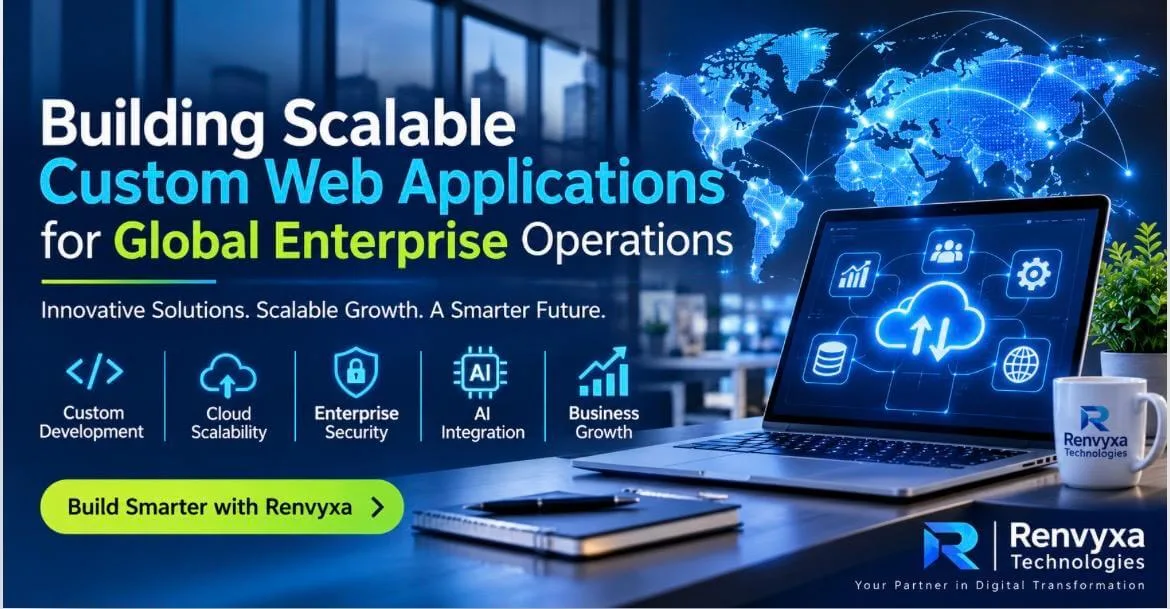
"Discover how scaleless custom web applications help global enterprises streamline operations, integrate AI, strengthen security, and improve business performance through modern cloud infrastructure and enterprise software solutions."
Introduction
We specialize in building scalable custom web applications for modern global enterprises. In today's interconnected digital economy, businesses are no longer limited by geographical boundaries. Organizations operate across multiple countries, manage international teams, serve customers from different time zones, and handle increasingly complex business processes. To remain competitive, enterprises need technology solutions that can support their operations efficiently while adapting to continuous growth.
Traditional software systems often struggle to meet these demands. Limited functionality, outdated infrastructure, poor integration capabilities, and performance issues can prevent businesses from achieving their operational goals. This is where custom web applications become valuable.
Custom web application development allows enterprises to build software specifically designed around their operational requirements. Unlike generic off-the-shelf solutions, custom applications provide flexibility, scalability, security, and integration capabilities that support long-term business growth.
For global enterprises, investing in scalable web applications is not simply a technology upgrade. It is a strategic decision that can improve productivity, strengthen customer experiences, and create a more efficient digital business environment.
1. Understanding Custom Web Applications for Enterprise Operations
A custom web application is a browser-based software solution developed to address specific business requirements. It can support internal operations, customer interactions, employee management, financial processes, data analysis, and other enterprise activities.
Unlike standard software products, custom applications are designed according to an organization's workflows, objectives, and technical environment scalable-custom-web-applications
For example, an international organization may require a centralized platform that connects its sales departments, customer support teams, inventory systems, and financial operations. A custom web application can bring these different functions together through a unified interface.
Common examples of enterprise web applications include:
Customer Relationship Management (CRM) platforms.
Enterprise Resource Planning (ERP) systems.
Business intelligence dashboards.
Employee and workforce management portals.
Inventory and supply chain management systems.
Automated reporting and analytics platforms.
Customer self-service portals.
These applications help organizations manage complex processes through centralized digital
In today's global enterprise market, implementing custom AI solutions for business is essential for scaling workflows Scalability is one of the most important characteristics of modern enterprise software.
2. Why Scalable Custom Web Applications Matter for Enterprises
As businesses expand, their technology requirements change. A platform that works efficiently for 100 users may struggle when the organization grows to 10,000 users. Similarly, applications designed for a single market may require significant improvements when supporting customers across multiple regions.
A scalable web application can accommodate increasing workloads without compromising performance or reliability.
There are several reasons why scalability matters:
Growing User Demand
Enterprise applications must support increasing numbers of employees, customers, and business partners. Scalable architecture helps applications manage higher traffic and simultaneous user requests scalable-custom-web-applications
International Expansion
Global businesses often operate across different geographical regions. Their applications must support regional requirements, multiple languages, currencies, and time zones.
Increasing Data Volumes
As organizations grow, they generate larger amounts of operational and customer data. Scalable databases and storage infrastructure help maintain efficient data processing.
Business Continuity
Reliable applications are essential for organizations that depend on digital systems for everyday operations. Scalable infrastructure helps businesses maintain availability during periods of increased demand.
By planning for scalability from the beginning, enterprises can reduce future development costs and avoid unnecessary infrastructure limitations.
3. Choosing the Right Technology Stack
The technology stack plays a significant role in determining the performance, security, and scalability of an enterprise web application.
A suitable technology stack should be selected according to the application's complexity, expected traffic, integration requirements, and long-term maintenance needs.
Some commonly used technologies include:
Frontend Technologies
Frontend development focuses on the user interface and overall user experience. Technologies such as React, Angular, Vue.js, HTML5, CSS3, and JavaScript help developers create responsive and interactive applications.
Backend Technologies
The backend manages business logic, database communication, authentication, and application processing. Popular technologies include Node.js, Python, PHP, Java, and .NET.
Database Management
Enterprise applications require reliable database systems capable of managing structured and unstructured information. PostgreSQL, MySQL, Microsoft SQL Server, and MongoDB are commonly used options.
Cloud Infrastructure
Cloud platforms provide flexible computing resources, storage, networking, and deployment environments. Services from AWS, Microsoft Azure, and Google Cloud can support applications that need to scale across different regions.
Selecting the right combination of technologies ensures that an application can support current business requirements while remaining adaptable to future technological changes.
4. Cloud Infrastructure and Global Accessibility
Cloud computing has transformed how enterprises develop, deploy, and manage web applications scalable-custom-web-applications.
Instead of depending entirely on traditional on-premises servers, organizations can use cloud infrastructure to access computing resources according to their requirements.
Cloud-based applications offer several advantages.
Flexible Resource Management
Businesses can increase or decrease computing resources based on demand. This flexibility is especially useful during seasonal traffic increases or major business activities.
Global Deployment
Cloud infrastructure allows enterprises to deploy applications closer to their users. This can help reduce latency and improve accessibility across international markets.
Improved Disaster Recovery
Cloud-based backup and recovery solutions help organizations protect important business information and restore services when unexpected disruptions occur.
Operational Efficiency
Cloud services reduce the need to manage every infrastructure component independently, allowing technical teams to focus more on application development and business improvements.
For organizations managing international operations, cloud infrastructure provides a strong foundation for building reliable and accessible digital platforms.
5. Integrating AI and Automation into Enterprise Applications
Artificial Intelligence (AI) is becoming an important part of modern enterprise software development.
Businesses are increasingly using AI-powered applications to automate repetitive activities, analyze information, improve decision-making, and deliver better customer experiences.
Integrating AI into custom web applications can create significant operational advantages.
Intelligent Customer Support
AI-powered chatbots can respond to common customer questions, provide product information, and guide users through basic support processes.
Predictive Analytics
Machine learning models can analyze historical information and identify patterns that help organizations make more informed business decisions.
Workflow Automation
Automated systems can handle repetitive tasks such as data entry, document processing, notifications, and routine administrative activities.
Personalized Customer Experiences
AI systems can analyze customer behavior and preferences to provide more relevant recommendations and personalized interactions.
However, AI integration should be based on genuine business requirements. Enterprises should prioritize data quality, security, transparency, and human oversight when implementing intelligent features.
6. Security Considerations for Enterprise Web Applications
Security is a critical requirement for any application handling business information, customer records, financial transactions, or internal organizational data.
Global enterprises must protect their digital systems against unauthorized access, data breaches, cyberattacks, and operational disruptions.
A secure application architecture should include multiple protection layers.
Authentication and Authorization
Strong authentication mechanisms help verify user identities, while role-based access control ensures that users can only access information relevant to their responsibilities.
Data Encryption
Sensitive information should be protected during transmission and storage through appropriate encryption techniques.
Secure API Development
APIs connect different applications and services. Secure API authentication, authorization, rate limiting, and input validation help prevent unauthorized access and misuse.
Regular Security Testing
Security assessments, vulnerability scanning, code reviews, and penetration testing can help identify weaknesses before attackers exploit them.
Backup and Recovery
Regular backups and tested recovery procedures help organizations protect critical information and maintain business continuity.
For enterprises operating internationally, security strategies should also consider applicable privacy and data protection regulations in the markets where they operate.
7. API Integration and Connected Business Systems
Modern enterprises rarely depend on a single software platform. They use multiple systems to manage different aspects of their operations.
These systems may include CRM platforms, ERP software, payment gateways, accounting applications, marketing tools, inventory management solutions, and external business services.
Without proper integration, employees may need to enter the same information into multiple systems. This can increase administrative workloads, create data inconsistencies, and reduce productivity.
Custom web applications can solve these problems through API integration.
Application Programming Interfaces (APIs) allow different software systems to communicate and exchange information.
For example, an integrated enterprise platform could automatically:
Synchronize customer information between CRM and sales systems.
Update inventory records after successful orders.
Connect payment gateways with financial reporting systems.
Transfer information between marketing and customer management platforms.
Generate centralized operational reports.
Well-designed integrations help enterprises create connected digital environments where information flows efficiently between departments.
8. Improving User Experience Across Global Teams
An enterprise application may offer advanced functionality, but its success also depends on how easily employees and customers can use it.
Poor navigation, complicated workflows, slow interfaces, and inconsistent design can reduce adoption and negatively affect productivity.
User experience should therefore be an essential part of the development process.
Important considerations include:
Responsive Design
Applications should work smoothly across desktops, laptops, tablets, and smartphones.
Intuitive Navigation
A clear interface helps users find information and complete tasks without unnecessary steps.
Multilingual Support
Organizations serving international markets may require multiple language options to improve accessibility.
Accessibility
Applications should consider users with different accessibility needs and follow recognized accessibility practices.
Consistent Performance
Fast page loading, efficient interactions, and reliable functionality help maintain a positive user experience.
A well-designed interface makes enterprise applications easier to adopt and improves collaboration across geographically distributed teams.
9. Database Architecture and Performance Optimization
Database architecture directly influences the speed, reliability, and scalability of enterprise applications.
As an organization grows, its application may need to process millions of records, support concurrent transactions, and generate complex reports.
A poorly designed database can become a performance bottleneck.
Developers can improve database performance through several approaches:
Choosing appropriate database technologies.
Creating optimized database indexes.
Using efficient queries.
Implementing caching mechanisms.
Managing database connections effectively.
Separating analytical workloads when necessary.
Monitoring database performance regularly.
For larger applications, techniques such as database replication, partitioning, and distributed data architecture may help support growing workloads.
The right database strategy depends on the application's data structure, transaction requirements, performance expectations, and business objectives.
10. Microservices and Modern Application Architecture
As enterprise applications become more complex, traditional monolithic architecture may create development and maintenance challenges.
In a monolithic application, multiple business functions are often developed and deployed as one interconnected system.
Microservices architecture provides an alternative approach by dividing an application into smaller, independently deployable services.
For example, an enterprise platform could have separate services for:
User authentication.
Customer management.
Payment processing.
Inventory operations.
Notifications.
Reporting and analytics.
Each service can be developed, maintained, and scaled according to its individual requirements.
This architecture can improve development flexibility and allow teams to update specific application components without redeploying the entire platform.
However, microservices also introduce additional complexity in monitoring, communication, security, and infrastructure management. They are most beneficial when the application's scale and organizational requirements justify the additional overhead.
11. Continuous Deployment, Testing, and Maintenance
Launching an enterprise web application is only one stage of its lifecycle.
To remain secure, reliable, and competitive, applications require continuous testing, monitoring, updates, and maintenance.
Modern development teams often use DevOps practices and CI/CD pipelines to automate software building, testing, and deployment.
Important practices include:
Automated Testing
Automated tests help identify software defects and reduce the risk of introducing errors during updates.
Continuous Integration
Developers regularly integrate code changes into a shared repository, allowing problems to be identified earlier.
Continuous Deployment
Automated deployment processes help deliver approved updates more efficiently.
Application Monitoring
Monitoring tools help identify performance issues, application errors, infrastructure problems, and unusual activity.
Regular Maintenance
Software dependencies, security configurations, and application components should be reviewed and updated regularly.
These practices help enterprises maintain stable applications while introducing new features and improvements over time.
12. The Business Value of Custom Web Application Development
Custom web applications offer more than technical improvements. They can directly contribute to business efficiency and long-term organizational growth.
Some of the major benefits include:
Increased Productivity
Automating repetitive processes allows employees to focus on more valuable activities.
Reduced Operational Complexity
Centralized systems reduce the need to manage disconnected software platforms.
Better Decision-Making
Real-time dashboards and analytics provide useful insights into business performance.
Greater Flexibility
Custom functionality allows organizations to adapt software according to changing operational requirements.
Improved Customer Relationships
Integrated customer management systems help businesses deliver more consistent and personalized experiences.
Long-Term Cost Efficiency
Although custom development may require a higher initial investment, a well-planned solution can reduce dependency on multiple disconnected tools and unnecessary recurring software costs.
The overall return on investment depends on development quality, adoption, maintenance, and how effectively the application addresses business challenges.
13. Building Future-Ready Enterprise Applications with Renvyxa Technologies
Developing scalable enterprise applications requires a combination of technical expertise, strategic planning, and an understanding of real business operations.
Organizations need software solutions that are not only functional today but also capable of adapting to future demands.
Renvyxa Technologies focuses on modern digital solutions designed to help businesses improve their technology infrastructure and operational capabilities.
From custom web application development to AI-powered solutions and CRM development services, the goal is to help businesses create more efficient, connected, and scalable digital systems.
Custom development can support organizations looking to modernize outdated platforms, automate business workflows, integrate existing software, or build new digital products.
A successful enterprise application should be developed around measurable business objectives, with careful attention to performance, security, user experience, and long-term scalability.
By combining modern development technologies with practical business requirements, organizations can establish a stronger foundation for digital transformation.
Businesses interested in exploring modern enterprise software solutions can discover the development services offered by Renvyxa Technologies.
Conclusion
Scalable custom web applications are becoming essential for global enterprise operations. As organizations expand into new markets, manage larger teams, and handle increasing volumes of data, their software infrastructure must evolve accordingly.
Custom web application development provides the flexibility to create solutions that align with specific business requirements. Through cloud infrastructure, AI integration, secure APIs, optimized databases, and modern application architecture, enterprises can build reliable systems that support long-term growth.
However, successful development requires more than selecting the latest technologies. It involves understanding business processes, identifying operational challenges, designing effective architecture, and maintaining applications throughout their lifecycle.
Organizations that invest in scalable and secure digital infrastructure today will be better positioned to respond to changing market demands and future technological opportunities.
To explore custom web application development, AI solutions, and CRM development services, visit Renvyxa Technologies and discover how modern software solutions can support your business goals.
Explore Services: https://renvyxa.com/#services
Website: https://renvyxa.com
 AI & Innovation
Top Open Source AI Tools You Should Try in 2026
Discover the top open source AI tools of 2026. Explore powerful, privacy-focused...
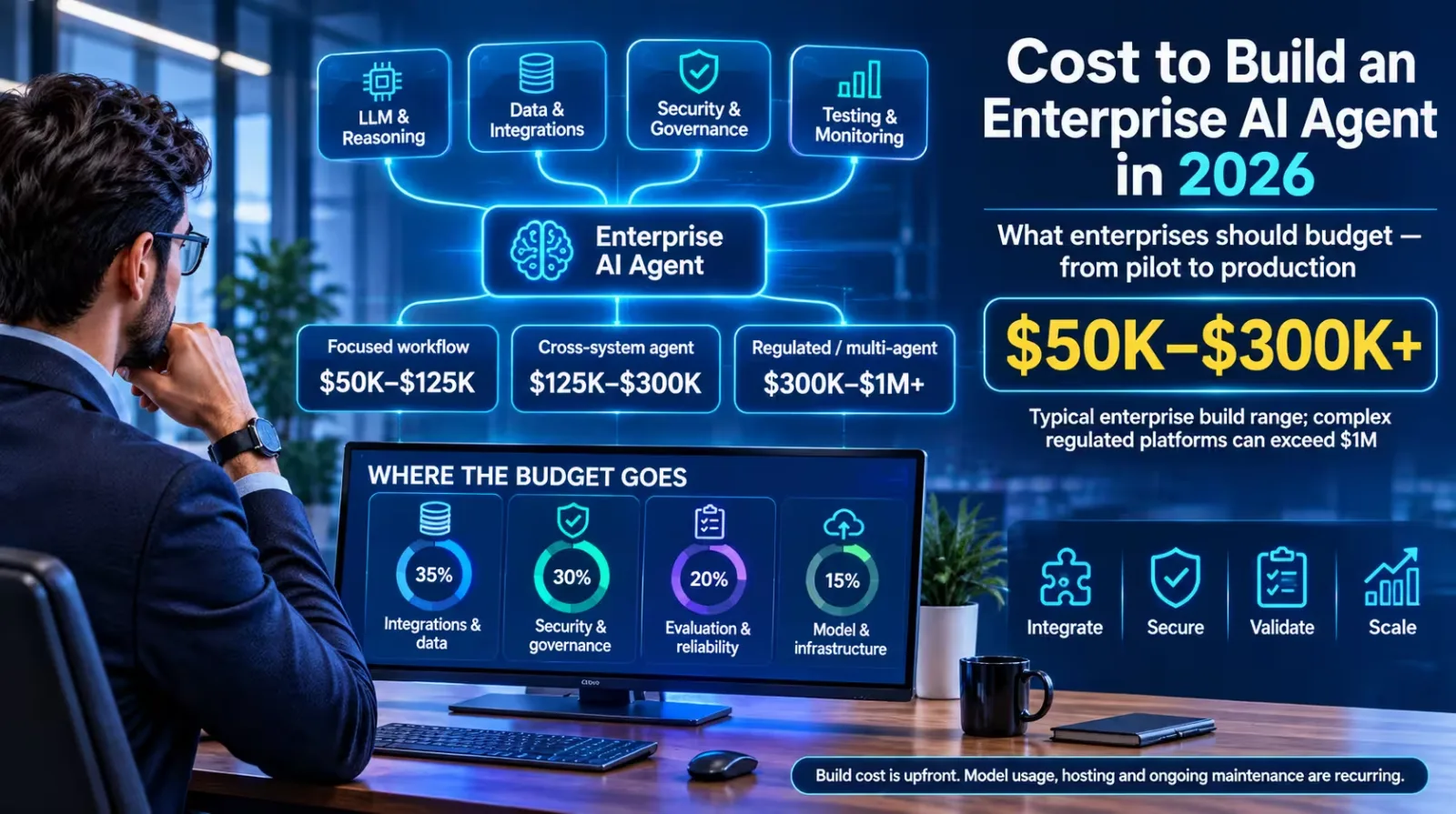 ARTIFICIAL INTELLIGENCE
Cost to Build an Enterprise AI Agent in 2026: Pricing Breakd...
What is the real cost to build an enterprise AI agent in 2026? From MVP proof-of...
 CLOUD & DEVOPS
Enterprise Cloud Security Architecture 2027
Learn essential enterprise cloud security architecture strategies for 2027, incl...
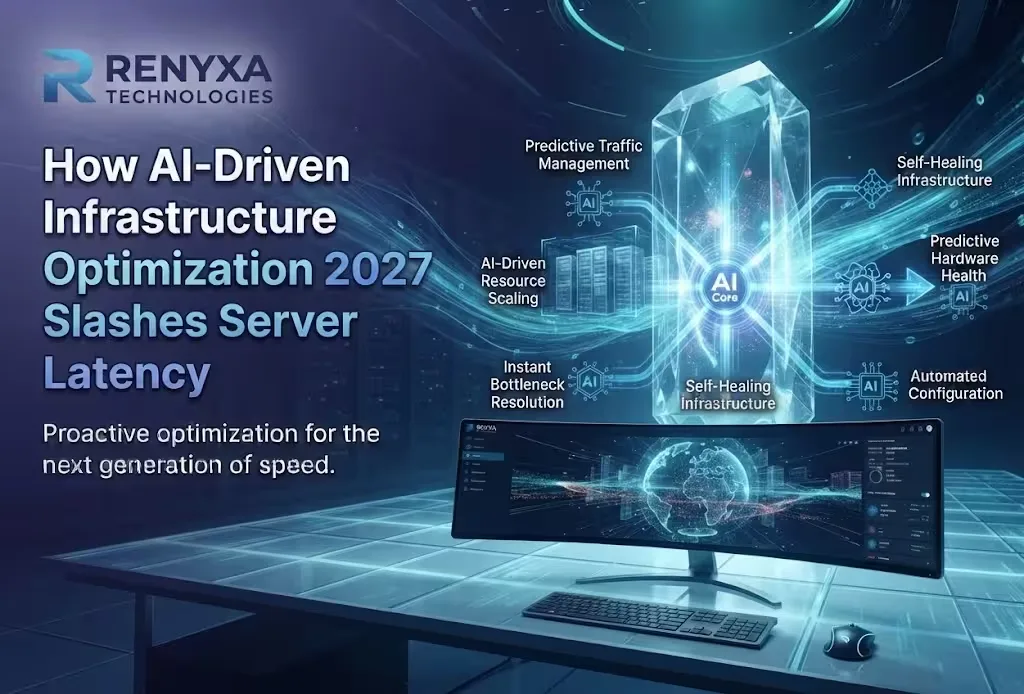 CLOUD & DEVOPS
How AI-Driven Infrastructure Optimization 2027 Slashes Serve...
Explore how AI-driven infrastructure optimization in 2027 eliminates network bot...
 CYBERSECURITY
Cloud Data Protection Strategies for Modern Enterprises in 2...
Learn key cloud data protection strategies to secure enterprise infrastructure,...
 Technology / Digital Marketing
The Ultimate Guide to AI Marketing Tools: How to Scale Your...
Explore the ultimate guide to top AI marketing tools, learn how to scale your te...
 DIGITAL MARKETING
AI Copy-writing Tools for Digital Marketing: How to Scale Co...
Learn how AI copy-writing tools for digital marketing help businesses scale cont...
 DIGITAL MARKETING
Why Guest Posting Is Important for SEO in 2026
Learn why guest posting is important for SEO in 2026. Build high DA back-links a...